
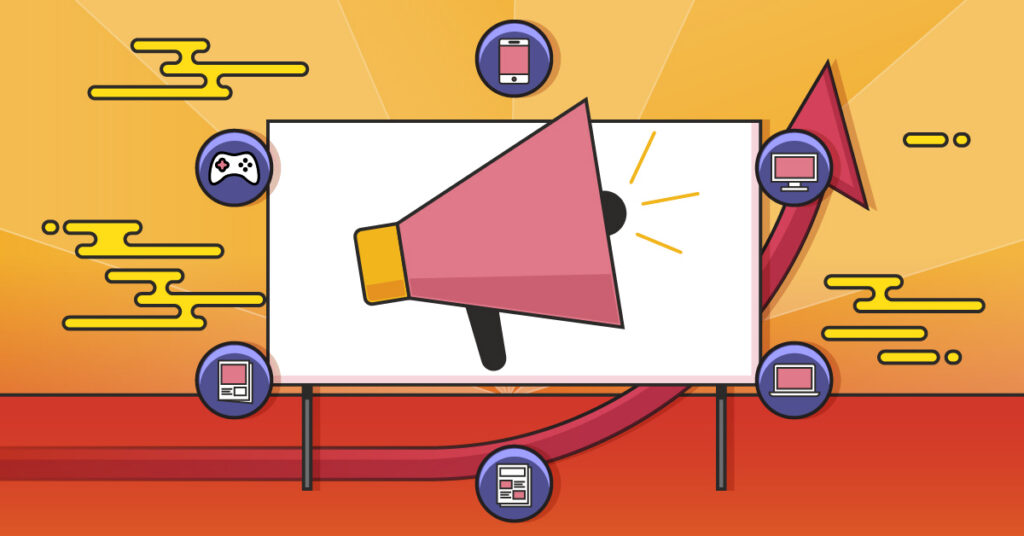
Media buying has changed dramatically, but the core job is still the same: place the right message in front of the right audience at the right time, then evaluate whether the campaign helped the business goal.
What changed is the number of channels, the amount of data, the speed of buying, and the complexity of measurement. Advertisers now have more options than ever, but more options can also make it harder to know where the budget should go.
How Media Buying Started
Traditional media buying was built around channels like print, radio, broadcast television, cable television, and out-of-home placements. Buyers worked with media sellers, negotiated schedules, reviewed rates, and used available audience data to decide which placements made sense.
That process required strategy, relationships, market knowledge, and negotiation. Those skills still matter, even though the buying tools have changed.
The Shift From Traditional Media to Fragmented Audiences
Cable, satellite, streaming, digital video, social platforms, search, podcasts, and retail media all created new ways to reach audiences. At the same time, audiences became more fragmented. A household may watch broadcast TV, stream live sports, use YouTube on a TV screen, listen to podcasts, and discover brands through social media.
Nielsen’s planning guidance points to the need to balance traditional and digital media while accounting for retail media and generational shifts in media consumption. That is a good summary of the modern planning challenge: advertisers need channel breadth, but they still need focus.
Digital, Programmatic, and CTV Changed the Buying Process
Digital media changed buying by adding more targeting, more reporting, and more automation. Programmatic buying made it possible to buy impressions through automated platforms instead of only through direct insertion orders. Connected TV added streaming video inventory to the media plan.
IAB projected that U.S. digital video ad spend would surpass $80 billion in 2026 and exceed 60% of total TV/video ad spend for the first time. That does not make traditional TV irrelevant, but it does show why modern media buyers need to understand both linear and digital video.
Why Measurement Became More Complex
Years ago, media measurement was often discussed in terms of ratings, circulation, impressions, reach, and frequency. Those metrics still matter, but advertisers now also consider platform reporting, website analytics, call tracking, CRM data, sales feedback, attribution, incrementality, and marketing mix modeling.
Cross-platform measurement is difficult because each platform reports differently. A campaign can look strong inside one dashboard while still failing to drive enough business impact. That is why media buyers need a measurement plan before the campaign launches.
What Has Not Changed
- Strategy still comes first. Buying media without a clear goal is still risky.
- Audience still matters. The channel should match the people the advertiser needs to reach.
- Message still matters. Good placement cannot overcome unclear creative or a weak offer.
- Budget still needs discipline. A spread-thin campaign may not build enough reach or frequency.
- Review still matters. Campaigns should create learning that improves the next buy.
What Modern Media Buyers Do Differently Today
Modern media buyers have to coordinate more channels, compare more data sources, and keep the campaign connected to business outcomes. That can include traditional TV and radio, streaming, paid search, social, display, digital video, direct response, and market-specific media opportunities.
They also have to understand where automation helps and where human judgment still matters. IAB’s State of Data research notes that AI can help build media plans, generate audience segments, select partners, forecast performance, and support measurement, but data quality, protection, and fragmented tools remain barriers.
What This Means for Advertisers
The modern media buying industry gives advertisers more ways to reach customers, but it also creates more ways to waste money. The strongest campaigns connect strategy, planning, buying, creative, and measurement from the beginning.
If you are comparing media options, start with the audience and goal. Then decide which channels can reach that audience with enough weight, what the message should be, how the buy will be managed, and how performance will be reviewed.
FAQs About Modern Media Buying
How has media buying changed over time?
Media buying has moved from mostly direct traditional placements to a broader mix of traditional, digital, programmatic, streaming, social, and data-driven buying.
Is traditional media buying still useful?
Yes. Traditional media can still be valuable when it fits the audience, market, message, and budget. The key is integrating it with the broader plan.
What is programmatic media buying?
Programmatic buying uses automated platforms and data signals to buy digital ad inventory. It can add efficiency and targeting, but it still needs strategy and oversight.
Do businesses still need a media buyer?
Many businesses benefit from experienced media buying support because channel selection, negotiation, placement, pacing, and measurement are more complex than they used to be.
Build a Media Buying Plan That Fits the Current Market
M-Marketing helps advertisers connect old-school media buying discipline with modern planning, digital channels, and measurement expectations. Learn more about full-service media strategy, review the basics of Comscore and Nielsen measurement, or contact M-Marketing to discuss your campaign.